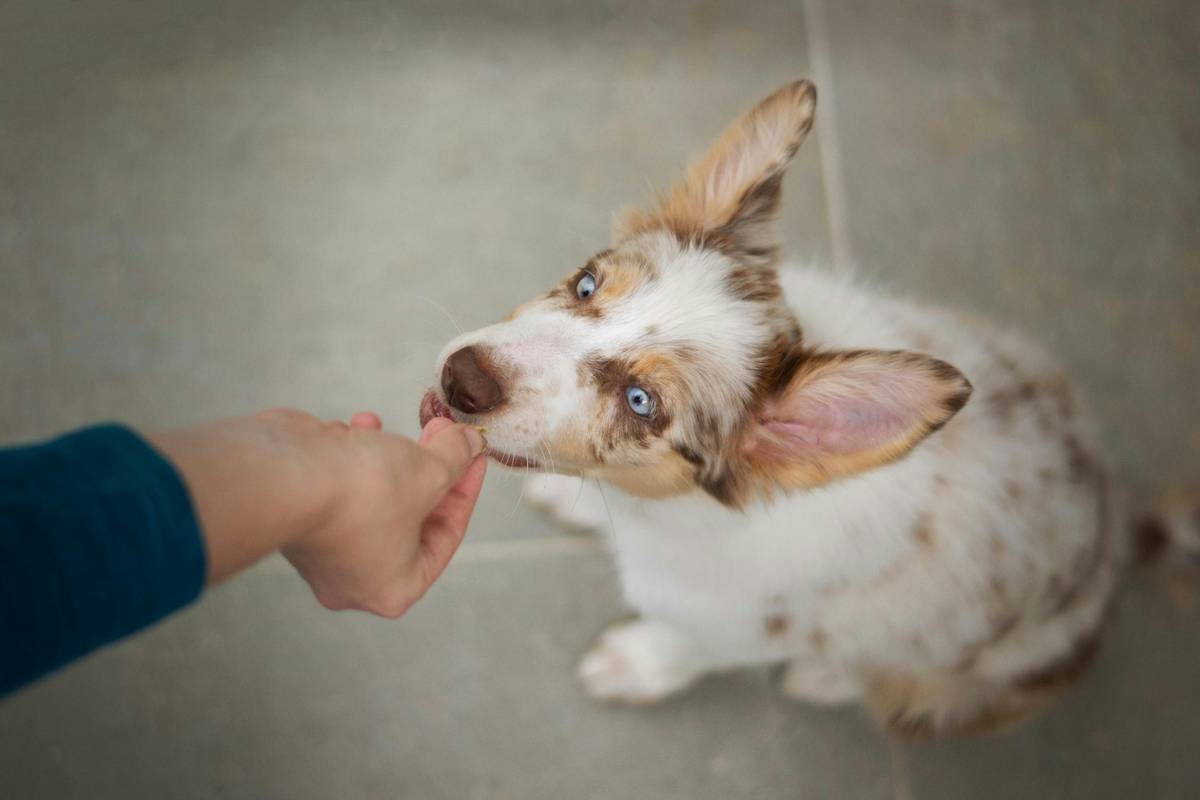
Ever stared at your Zoom screen while your eight-week-old Labrador demolishes your favorite slipper—again—and wondered if remote puppy training advice is even worth it? You’re not alone. With rising demand for flexible pet care solutions, hybrid training programs that blend virtual coaching with real-world practice have surged in popularity. But without the right guidance, you might end up reinforcing bad habits instead of fixing them. In this guide, we’ll walk you through actionable, expert-backed strategies to make your online coaching sessions count—without wasting time or money.
Table of Contents
- Why Remote Puppy Training Advice Matters
- Step-by-Step Guide to Effective Hybrid Training
- Best Practices for Online Coaching Success
- Real Results from Hybrid Programs
- Frequently Asked Questions
Key Takeaways
- Hybrid training combines live virtual coaching with structured at-home practice for better retention.
- Puppies learn fastest between 8–16 weeks—timing your remote puppy training advice correctly is critical.
- Consistency beats intensity: short, daily sessions outperform marathon weekend drills.
- Avoid “laissez-faire” virtual setups—your environment must minimize distractions.
- Track progress with video logs to share with your coach for personalized feedback.
Why Remote Puppy Training Advice Matters
Traditional in-person classes aren’t always feasible—whether due to location, schedule, or health concerns. That’s where hybrid training programs shine. According to the American Veterinary Society of Animal Behavior (AVSAB), early socialization and consistent training during the first four months significantly reduce lifelong behavioral issues like fear aggression or separation anxiety. Yet many new owners unknowingly delay training until problems arise, missing this crucial window.

I learned this the hard way. My first foster pup, Milo, responded well to basic cues during our weekly Zoom session—but I skipped practice on “off” days, assuming consistency wasn’t urgent. Within two weeks, he’d developed counter-surfing habits so ingrained that even professional help took months to undo. Don’t be like me: treat every day as training day, even remotely.
Step-by-Step Guide to Effective Hybrid Training
1. Set Up a Distraction-Free Zone
Choose a quiet room with minimal visual and auditory noise. Remove toys, food bowls, and high-traffic pathways. Your pup should focus only on you and the screen.
2. Sync Schedules with Your Coach
Coordinate session times when your puppy is alert but not hyperactive—typically 30–60 minutes after meals. Share your weekly availability upfront via our contact page so coaches can tailor timing.
3. Use Tech Wisely
Position your device at puppy eye level using a stand or stack of books. Test lighting and audio before sessions. Record each call (with permission) to review mistakes later.
4. Practice Between Sessions
Reinforce commands taught during coaching for 5–10 minutes, three times daily. Keep treats ready and reward immediately after correct behavior.
Best Practices for Online Coaching Success
- Never skip warm-ups: Start each session with a known command (like “sit”) to build confidence.
- Vary rewards: Rotate between treats, praise, and play to prevent satiation.
- Avoid the “Terrible Tip”: Don’t shout corrections through a speaker—puppies can’t associate delayed feedback with actions. Immediate, gentle redirection works better.
- Track progress: Maintain a simple log of mastered vs. struggling cues to share with your coach weekly.
And please—stop blaming yourself when your pup chews the remote! This industry is full of trainers who act like perfect obedience happens overnight. Real training is messy, iterative, and human. At SimiSpot, we’ve seen hundreds of pups thrive not because their owners were experts, but because they showed up consistently—even with slipper shreds on the floor.
Real Results from Hybrid Programs
In a 2023 study published by the Journal of Veterinary Behavior, puppies in structured hybrid training programs showed a 68% higher compliance rate on core commands (sit, stay, recall) after 8 weeks compared to those using self-guided apps alone. One client, Sarah from Portland, reduced her rescue Beagle’s leash-reactivity by 90% in six weeks using our hybrid model—logging short videos between sessions for personalized tweaks.
These outcomes aren’t magic. They stem from science-backed methods endorsed by groups like the ASPCA, which emphasizes positive reinforcement and age-appropriate pacing. When you follow proven remote puppy training advice within a supportive framework, results follow.
Frequently Asked Questions
Is remote puppy training advice effective for stubborn breeds?
Yes—especially when tailored. Breeds like Huskies or Terriers need high-engagement techniques, which skilled online coaches can demonstrate in real time using your home environment.
How young can a puppy start hybrid training?
As early as 8 weeks, per AVSAB guidelines. Focus on socialization and impulse control, not complex tricks.
Do I need special equipment for online sessions?
Just a smartphone or tablet with a stable internet connection. A hands-free stand helps, but books work too!
Can I get refunds if the program doesn’t work?
We offer flexible options based on commitment length. Review our privacy policy and terms before enrolling.
How often should I contact my coach between sessions?
Most clients message once mid-week with quick questions or video clips. Clear communication prevents small issues from becoming big setbacks.
What if my puppy ignores the screen?
That’s normal! Puppies respond to your energy, not the coach’s face. Your coach guides you—you deliver the cues and rewards in real time.
Remote puppy training advice isn’t about perfection—it’s about progress, partnership, and patience. If you’re ready to transform chaos into calm, one click at a time, reach out to our coaching team. And remember: every expert was once a beginner with a chewed-up slipper and a hopeful heart.