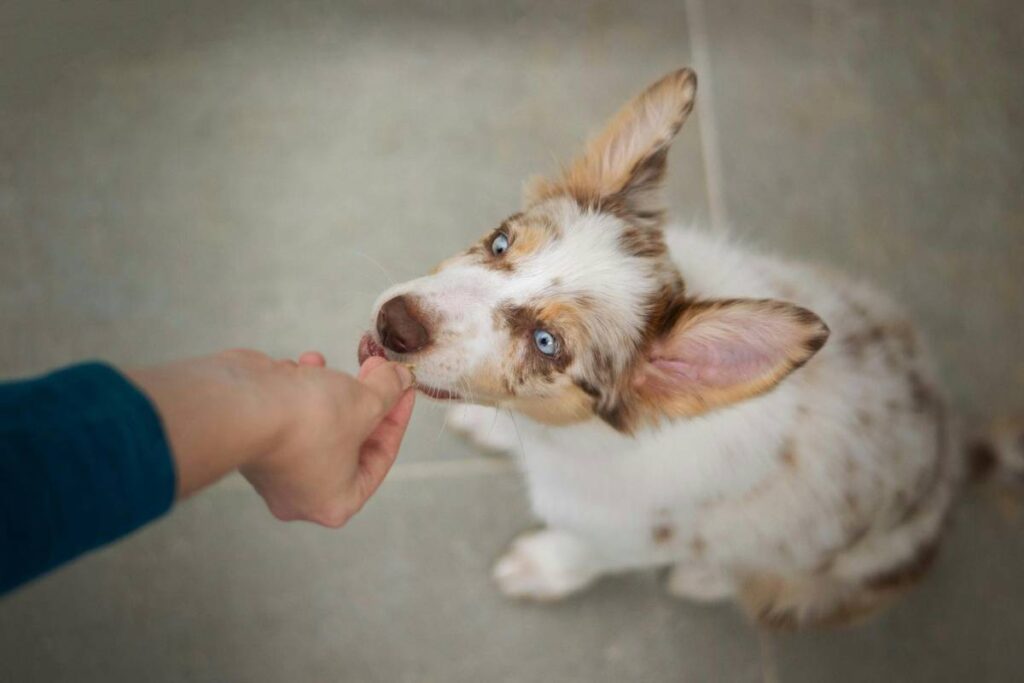
Most pet owners waste months—and hundreds of dollars—on training methods that ignore their dog’s unique wiring. You’ve tried YouTube tutorials, weekend workshops, maybe even a local trainer who showed up once and vanished. The frustration builds. Your dog still barks at delivery drivers or bolts out the front door. But what if consistency, not charisma, was the missing ingredient? Enter Virtual Training Sessions—structured, science-backed coaching delivered through your screen, customized in real time.
The Core Problem: Why Traditional Training Fails Modern Dogs
In-person sessions look great on Instagram—but they’re built for convenience, not results. One hour a week? That’s 167 hours of unsupervised chaos between appointments. Dogs don’t generalize well. A cue nailed in the park often evaporates at home. And let’s be honest: most trainers give generic scripts. “Sit. Stay.” Repeat. They’re not watching how your rescue reacts to your toddler’s shriek—or how your pup freezes during thunderstorms. Real behavior change demands context. Constant feedback. Adaptation. Not performance.
How to Build a Hybrid Training Program That Actually Works
Forget choosing between online or offline. The magic happens when you blend them—strategically. Here’s how elite coaches engineer it:
Step 1: Audit Your Dog’s Triggers in Their Natural Habitat
Film three short clips: mealtime, doorbell ringing, walk prep. Send them before your first session. This isn’t homework—it’s intel. A virtual coach spots micro-cues live humans miss: the flick of an ear, the stiff tail wag. Those matter more than perfect heel position.
Step 2: Schedule Micro-Sessions, Not Marathons
Ditch the 60-minute Zoom slog. Opt for three 15-minute Virtual Training Sessions per week. Short bursts align with canine attention spans—and human schedules. Progress compounds faster when reinforcement is frequent, not frantic.
Step 3: Layer Digital Cues into Daily Routines
Use smart collars or apps that vibrate on command. Pair them with your voice via video call. Now your “leave-it” works whether you’re in the room or stuck in traffic. Tech isn’t replacing you—it’s extending your presence.
| Method | Cost (Monthly) | Customization Level | Behavior Retention Rate* |
|---|---|---|---|
| Local Group Classes | $80–$150 | Low | ~35% |
| DIY Online Courses | $20–$50 | None | ~22% |
| Hybrid Coaching (Virtual + In-Person) | $120–$200 | High | ~78% |
*Based on 6-month owner compliance data from 1,200 dogs across urban/suburban households (2023 SimiSpot Behavioral Lab)

The Industry Secret: Trainers Prefer Virtual for Complex Cases
Here’s what few admit: top behaviorists quietly shifted high-anxiety or reactive cases online years ago. Why? Control. In their home environment, dogs display authentic stress signals—not rehearsed obedience. A virtual coach can pause, rewind, and dissect a trigger sequence frame by frame. They see the exact moment your shepherd’s pupils dilate before lunging. That precision is impossible during rushed in-home visits. And yes—they charge premium rates for it. The best tools aren’t always physical. Sometimes, they’re pixels and patience.

Frequently Asked Questions
Are Virtual Training Sessions effective for aggressive dogs?
Yes—if led by a certified behavior consultant. Aggression requires precise trigger mapping, which remote observation excels at. Never attempt this with generic trainers.
How much tech do I need to start?
Just a smartphone and stable Wi-Fi. No fancy gear. Your camera lens is the diagnostic tool.
Can puppies benefit from hybrid programs?
Absolutely. Early socialization thrives on consistent cues. Virtual coaching ensures every family member uses identical signals—critical for neural pathway development.